Leave a Message

Thank you for your message. We will be in touch with you shortly.

Foreclosure Numbers Today Aren’t Like 2008

Beyond Realty

Foreclosure Numbers Today Aren’t Like 2008

Foreclosure Numbers Today Aren’t Like 2008


If you've been keeping up with the news lately, you've probably come across headlines talking about the increase in foreclosures in today’s housing market. This may have left you with some uncertainty, especially if you're considering buying a home. It’s important to understand the context of these reports to know the truth about what’s happening today.

According to a recent report from ATTOM, a property data provider, foreclosure filings are up 2% compared to the previous quarter and 8% since one year ago. While media headlines are drawing attention to this increase, reporting on just the number could actually generate worry for fear that prices could crash. The reality is, while increasing, the data shows a foreclosure crisis is not where the market is headed.

Let’s look at the latest information with context so we can see how this compares to previous years.

It Isn’t the Dramatic Increase Headlines Would Have You Believe

In recent years, the number of foreclosures has been down to record lows. That’s because, in 2020 and 2021, the forbearance program and other relief options for homeowners helped millions of homeowners stay in their homes, allowing them to get back on their feet during a very challenging period. And with home values rising at the same time, many homeowners who may have found themselves facing foreclosure under other circumstances were able to leverage their equity and sell their houses rather than face foreclosure. Moving forward, equity will continue to be a factor that can help keep people from going into foreclosure.

As the government’s moratorium came to an end, there was an expected rise in foreclosures. But just because foreclosures are up doesn’t mean the housing market is in trouble. As Clare Trapasso, Executive News Editor at Realtor.com, says:

“Many of these foreclosures would have occurred during the pandemic, but were put off due to federal, state, and local foreclosure moratoriums designed to keep people in their homes . . . Real estate experts have stressed that this isn’t a repeat of the Great Recession. It’s not that scores of homeowners suddenly can’t afford their mortgage payments. Rather, many lenders are now catching up. The foreclosures would have happened during the pandemic if moratoriums hadn’t halted the proceedings.”

In a recent article, Bankrate also explains:

“In the years after the housing crash, millions of foreclosures flooded the housing market, depressing prices. That’s not the case now. Most homeowners have a comfortable equity cushion in their homes. Lenders weren’t filing default notices during the height of the pandemic, pushing foreclosures to record lows in 2020. And while there has been a slight uptick in foreclosures since then, it’s nothing like it was.”

Basically, there’s not a sudden flood of foreclosures coming. Instead, some of the increase is due to the delayed activity explained above while more is from economic conditions.

To further paint the picture of just how different the situation is now compared to the housing crash, take a look at the graph below. It uses data on foreclosure filings for the first half of each year since 2008 to show foreclosure activity has been consistently lower since the crash.

While foreclosures are climbing, it’s clear foreclosure activity now is nothing like it was back then. Today, foreclosures are far below the record-high number that was reported when the housing market crashed.

In addition to all the factors mentioned above, that’s also largely because buyers today are more qualified and less likely to default on their loans.

Bottom Line

Right now, putting the data into context is more important than ever. While the housing market is experiencing an expected rise in foreclosures, it’s nowhere near the crisis levels seen when the housing bubble burst, and that won’t lead to a crash in home prices.
Recent Blog Posts

Why More Homes Are for Sale in Sarasota and Lakewood Ranch: What Buyers and Sellers Need to Know

Rising mortgage rates, growing housing inventory, and longer selling times are creating new opportunities in Sarasota, Lakewood Ranch, Manatee County, and Charlotte Co… Read more
Mastering the Market: Your Guide to Pricing and Selling Your Home in Sarasota, Manatee, and Charlotte Counties

A practical guide to pricing your home competitively, attracting qualified buyers, and navigating the Sarasota-area real estate market. Copy

Why Most People Are Still Glad They Bought a Home With everything going on, it’s understandable if you’re wondering if you’d regret buying right now.  Everyday expenses cost more. Mortgage rates are higher than you’d like. And when the economy feels uncertain, taking on a mortgage can feel like a much bigger leap. But here’s some perspective that may help… Most people who already made that leap would do it again. According to a recent survey from NerdWallet, the vast majority of recent buyers (74%) were glad they bought their current home. Only a very small 3% of people regret it: And here’s a big reason why so many people feel it was worth it, even now. Homeownership Is a Long-Term PlayWhen you’re deciding whether to buy, it’s easy to focus on what’s happening right now. What’s today’s mortgage rate? Are prices going up or down? Those things matter. But don’t get so caught up in buying in the perfect moment that you miss the bigger picture. A home isn’t typically something you buy for just a year or two. It’s a longer-term play. And when you zoom out, it all starts to fall into perspective – especially if you look at home prices and equity. According to data from the Federal Housing Finance Agency (FHFA), home prices nationally have risen 33.4% over just the past five years (see map below): And that appreciation has helped current homeowners build some serious wealth. Research from Bankrate shows homeowners gained an average of nearly $150,000 in wealth over the past five years as equity steadily rose across 90% of major metro areas. That’s one of the biggest benefits of homeownership. As you pay down your mortgage and your home appreciates over time, your ownership stake – your equity – can grow. Now, Zoom Out Even FurtherThe five-year numbers are impressive. But the numbers get even more dramatic when you look at decades instead of individual market cycles. FHFA data shows home prices nationally have risen 336% since 1991. Sit with that for a second. Three hundred percent (see map below):   That doesn't mean prices go up every single year. And it doesn't mean buying is automatically the right decision for everyone today. You should only buy when the numbers (and the payment) work for you. What it does show is why trying to perfectly time the market can make you miss the bigger picture.  Over time, homeowners gain a lot of equity. And that equity can eventually become a powerful financial resource. As Freddie Mac explains:  “Your home's equity is part of your total wealth as a homeowner. If you decide to sell your home, the equity you have built over time will come back to you in the sale. . . If it's time to upsize or downsize, you can use that cash for the down payment on your next home.” Basically, if you can afford to do it, buying a home now could set you up for future moves. And just in case you’re someone who’s worried about what happens if prices do fall, after you buy, remember: you’re not buying for one year. Prices can dip. They have before. But historically, they’ve risen far more over the long run. And the longer you own your home, the more time you have to ride out those ups and downs and keep building equity. Bottom LineDon’t let today’s uncertainty make you lose sight of what homeownership can do over time. Most homeowners say they’d make the same choice again. And decades of home-price growth help explain why. If you’re wondering whether buying makes sense for you right now, let’s look at the numbers together – and what owning a home could mean for you in the years ahead.

Discover how long-term homeownership can help build equity and financial stability, and what buyers should consider when purchasing a home in Sarasota, Lakewood Ranch,… Read more
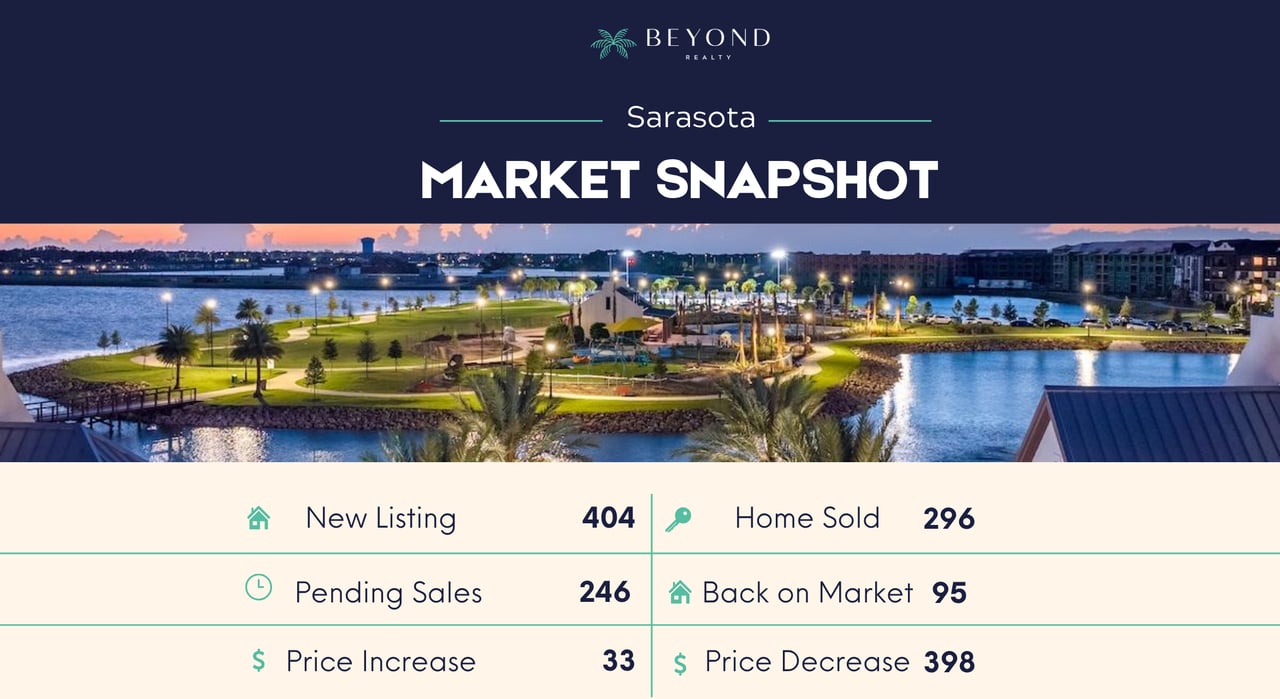

Sarasota market snapshot infographic with waterfront panorama and real estate sales statistics.
🏠 Home Sale Market Snapshot: Sarasota & Manatee Counties | October 2–8, 2026

A Fountain powerboat speeds across ocean water as a helicopter flies overhead.
Sarasota Weekend Events: October 10–11, 2026

From offshore powerboat racing and classic cars to live music, soccer, and Oktoberfest fun, discover what’s happening around Sarasota this weekend.
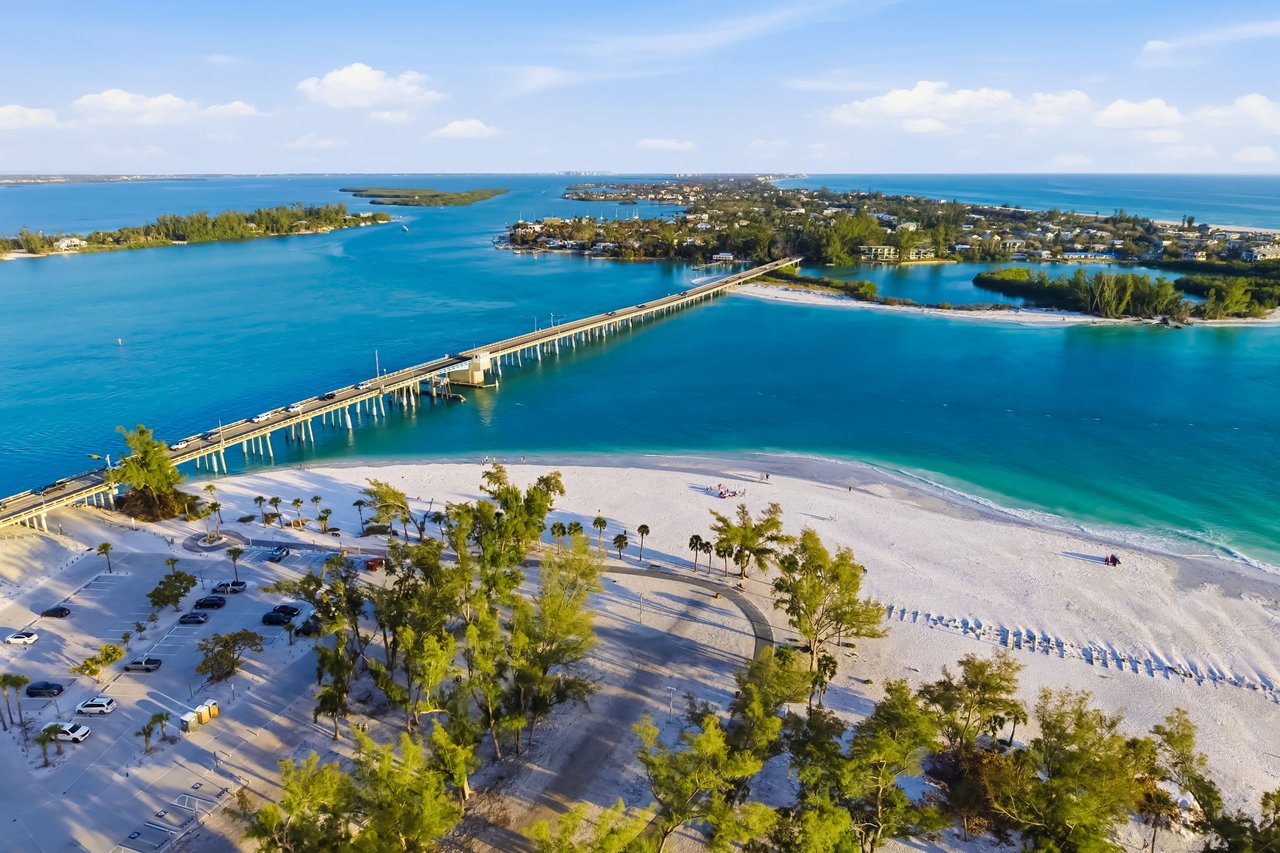
Aerial view of a bridge over turquoise water beside a white-sand beach and coastal homes.
Sarasota, Manatee & Charlotte County Market Report (August 2026): Two Counties Crossed Into Seller's Markets. All Three Sold Fewer Homes.

Let's Talk

You’ve got questions and we can’t wait to answer them.

Follow Us on Instagram