Hurricane Prep for Sarasota Homeowners: A Realtor's Practical Guide
Posted by Darren Dowling on Wednesday, May 6, 2026 at 2:49:55 PM By Darren Dowling / May 6, 2026 Comment
Darren Dowling

Florida hurricane season runs June 1 to November 30. Most years are uneventful. Some years aren't. If you're new to Sarasota — or you've been here a while but never quite built a hurricane plan — this is the practical, no-fluff guide we share with our clients each May. Written by a Sarasota broker, not a doomsday prepper.
Sarasota County has a hurricane historically about every 10–15 years. Tropical storms hit more often, sometimes annually. The Gulf-of-Mexico-facing coast (Siesta Key, Lido Key, Longboat Key) faces the highest direct-impact risk; inland Sarasota and Lakewood Ranch face wind, power outage, and flooding from heavy rainfall, but rarely storm surge of any consequence.
What's changed: building codes since 2002 are dramatically stricter than older codes. A home built post-2002 to current code is engineered to handle 130–150 mph winds. A home built in the 1970s on the keys may not be. Build year and roof age matter — a lot — both for your physical safety and your insurance premium.
This is the single most common surprise for relocators. In Florida, your standard homeowners insurance does NOT cover hurricane wind damage, and DOES NOT cover flood damage. You need:
Homeowners insurance covering fire, theft, liability — your baseline policy. Premiums in Sarasota typically run $2,500–$8,000/year depending on home age, roof age, and value.
Hurricane wind coverage is technically a deductible, not a separate policy, but it's a separate line item. Your hurricane deductible is usually 2–10% of insured value (so on a $600K home, your hurricane deductible could be $12K–$60K). This is in addition to your regular homeowners deductible.
Flood insurance through FEMA's National Flood Insurance Program (NFIP) or a private equivalent. If your home is in a Special Flood Hazard Area (SFHA), most lenders require it. Even if it's not required, we recommend it for homes near water — flood damage from rainfall and storm surge is not covered by your homeowners policy. Plan on $500–$3,500/year depending on flood zone.
Practical tip: Get insurance quotes BEFORE you write an offer on a coastal property. We do this for our clients every time. A home that looks like a great deal at $750K can become unaffordable when annual insurance is $11,000.
Two factors drive most of your insurance premium variation:
Build year. Homes built to the 2002+ Florida Building Code (post-Hurricane Andrew) are dramatically less risky to insure. Some carriers won't write policies on pre-2002 homes at all in coastal zones. If you're shopping a 1980s key home, expect a premium surprise.
Roof age. Florida insurers commonly won't renew if the roof is older than 15–20 years, regardless of condition. We always check roof age on listings before we write an offer; if it's 14+ years old, we negotiate roof replacement as part of the deal or budget for it post-close.
Other levers: hurricane impact windows (or hurricane shutters), tile vs. shingle roof, gas vs. electric utilities (less storm-vulnerable), and presence of a backup generator.
Before each hurricane season, work through this list. You can do it in a Saturday afternoon.
1. Know your evacuation zone. Sarasota County publishes evacuation zones A–E. Look up your zone at scgov.net/HurricaneZone. If you're in Zone A or B (typically anything west of US-41 / barrier islands), you'll evacuate first and most often.
2. Build a 3–7 day supply kit. Bottled water (1 gallon per person per day, 7 days), shelf-stable food, manual can opener, flashlights, batteries, battery-powered radio (or hand-crank), first-aid kit, prescription medications (1-month supply), pet food, important documents in a waterproof bag, cash, basic tools.
3. Photograph and document your home interior. Walk every room with your phone camera, open closets and cabinets, video everything. Save the video to cloud storage. This is your insurance claim evidence.
4. Trim trees that overhang the house or driveway. Falling branches in 100mph wind cause more roof damage than wind itself. Schedule with a licensed arborist by mid-May.
5. Test your generator if you have one. Run it for 30 minutes. Keep at least 5 gallons of fresh fuel and a fuel stabilizer additive (gasoline goes bad in 30 days otherwise).
6. Identify your shelter plan. If you're in an evacuation zone, where will you go? Friends inland? Hotel in Orlando? Sarasota County opens shelters in non-evac areas; pet-friendly shelters are limited.
7. Pre-fill prescriptions. Florida law allows 30-day emergency refills during state-of-emergency declarations, but pharmacies get overwhelmed. Refill in late May.
8. Top off your gas tank. Whenever a named storm is in the Gulf, gas stations run dry within 48 hours. Top off at the first sign of a 5-day-cone forecast.
72 hours out: Check the National Hurricane Center cone. Top off gas. Buy extra water. Charge all devices. Cancel non-critical appointments.
48 hours out: Bring outdoor furniture inside. Secure or remove anything that could become a projectile (planters, grills, kayaks). Test impact shutters or board up windows. Decide: stay or evacuate?
24 hours out: Final water and ice. Withdraw cash. Move important documents to a higher floor in waterproof bag. Fill bathtubs (for non-potable water if utilities go out). Move valuables to interior closets.
During landfall: Stay in interior room (closet, bathroom) on lowest floor that's not flood-prone. No windows. Do NOT go outside during the eye — winds resume violently.
After: Stay home until officials clear roads. Don't drive through standing water — 6 inches can stall a car, 12 inches can sweep one away. Document any damage with photos before cleaning anything up.
Three patterns we see in client decisions:
Risk-averse buyers tend to land in inland Lakewood Ranch, Wellen Park, Palmer Ranch, or University Park. These areas are still subject to wind and rainfall flooding but rarely storm surge, and most homes are post-2002 code. Insurance premiums are 30–60% lower than equivalent island homes.
Coastal buyers who go in eyes-open choose Siesta Key, Lido, Longboat, Casey, or Anna Maria with a clear understanding that they're paying a meaningful premium for direct beach access and accepting a higher hurricane risk profile. We recommend post-2010 construction with impact windows for these buyers.
The middle ground is downtown Sarasota high-rise condos, which combine walkability with concrete-and-steel construction that handles hurricane wind extremely well. Storm surge can reach the bayfront, but most condo associations have hurricane plans and impact glass.
If hurricane risk is a major concern in your home decision, we'll filter your search accordingly and run insurance estimates before you write an offer. Beyond Realty has helped relocators navigate this question dozens of times. Call (941) 204-0493 or email [email protected].
Beyond Realty | The Dowling Group — Sarasota's boutique brokerage. Beyond the transaction.

A Practical Guide for Homebuyers in Sarasota, Lakewood Ranch, Manatee County, and Charlotte County

A practical fall home-selling strategy for homeowners in Sarasota, Lakewood Ranch, Manatee County, Sarasota County, and Charlotte County
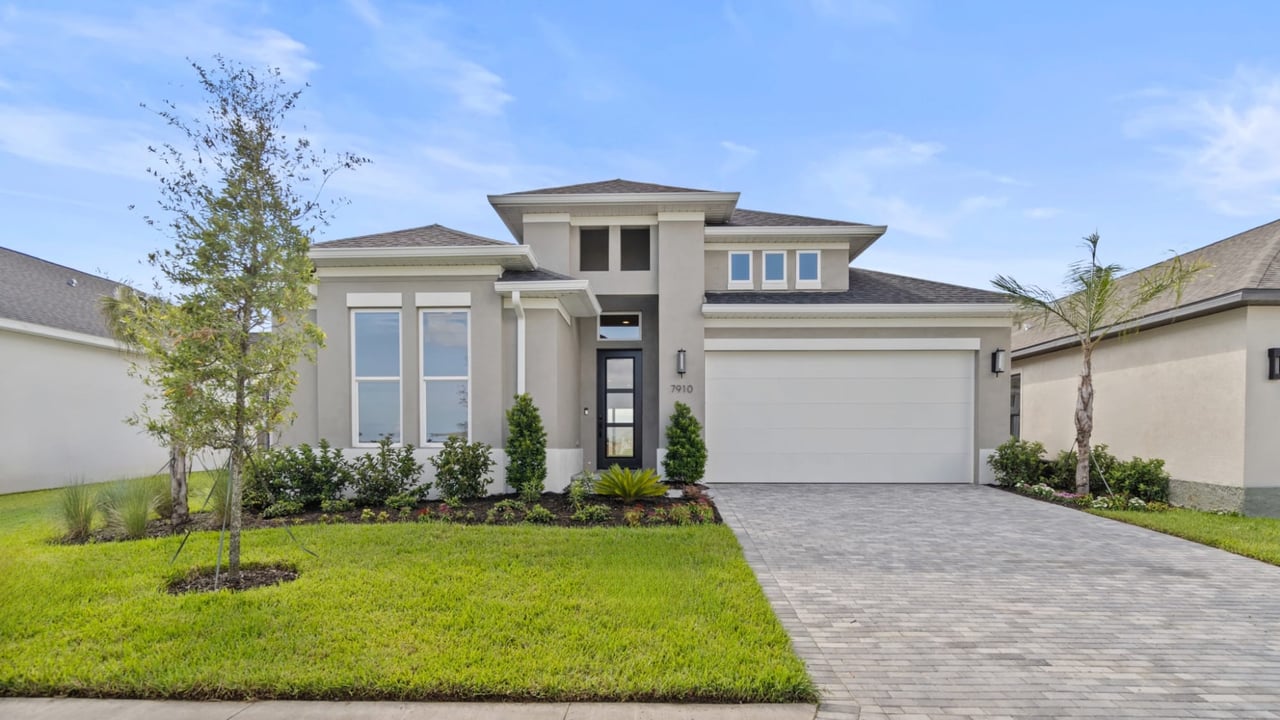
We toured every Perry model at Seaire in Parrish. Here is who Perry Homes is, what is included, current move-in ready pricing from $499,900, and how Perry compares wit… Read more
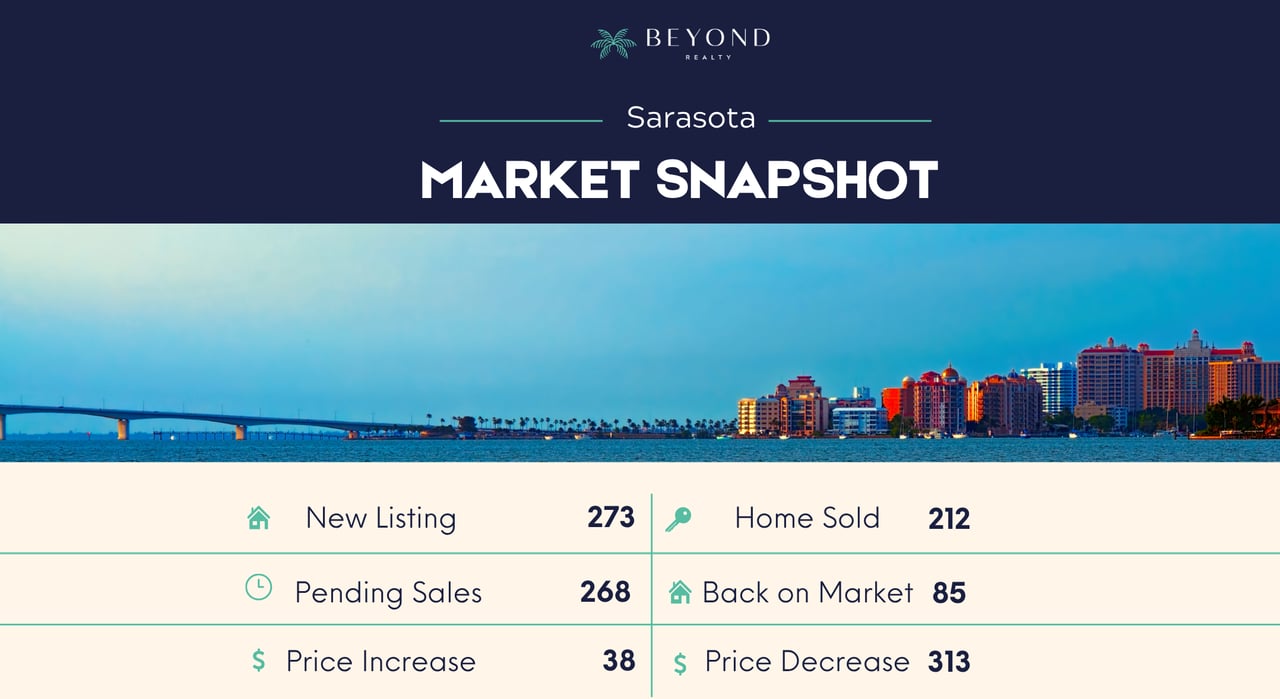

Ritz-Carlton, One Park, Bayso, The Edge, DeMarcay, The Collection, Epoch, Mira Mar and Saravela compared, with 2026 pricing, HOA costs and rental rules
You’ve got questions and we can’t wait to answer them.