Retiring to Sarasota Without Giving Up the Boat
Darren Dowling
Darren Dowling
Updated August 2026. By Darren Dowling, Broker-Owner, Beyond Realty LLC.
Buyers who own a boat and are relocating here make the same mistake with remarkable consistency. They search for waterfront, fall for a house on a beautiful canal, and discover after closing that getting to the Gulf takes forty minutes and involves a bridge their boat cannot clear.
The house was fine. The water access was the thing they were actually buying and nobody made them measure it.
Listings use the phrase loosely. Some mean genuinely unobstructed. Some mean unobstructed for a center console with the antenna down. The only reliable approach is to identify the specific bridges on the route and their clearances, then compare against your boat's air draft.
For sailboat owners this is usually decisive and worth establishing before you look at a single house. For powerboat owners it is a question of which vessel you keep, and buyers frequently discover they are choosing between the house and the boat without realizing that is the choice on the table.
The shallowest point on the route governs, not the depth at your seawall. A deep basin behind the house is irrelevant if there is a shoal two hundred yards down the canal.
Sarasota Bay and the surrounding waters have areas that shoal and shift, and local knowledge of specific canals matters here in a way that a chart will not fully capture. This is worth asking about specifically rather than assuming.
Broadly, the closer and less obstructed the access, the higher the premium, and that premium has been durable because the supply is genuinely fixed. Nobody is building new deep water bayfront.
If you run a center console or a smaller cruiser, the range of workable options widens dramatically and you can trade water access convenience for house quality. If you run a large flybridge or a sailboat, the market narrows to specific positions and the search should start with the water rather than the house.
Seawall age, condition, and any history of repair. This is a major capital item.
Dock and lift condition, capacity, and whether permits were pulled for the existing structures.
Depth at mean low water at the dock and at the shallowest point of the route.
Every fixed bridge between the dock and open water, with clearances.
Whether the lift capacity matches your boat's weight, wet and loaded, not dry.
Insurance implications. Waterfront carries different wind and flood considerations than inland property.
Unpermitted dock and lift work is common and it becomes your problem at resale, not the seller's. It is worth confirming during due diligence rather than discovering later.
This is the guidance I give consistently and it is frequently unwelcome, because the house is what people fall in love with. But the water attributes are fixed and the house attributes are not. Buyers who compromise on the house to get the right water position are almost always happier three years later than buyers who did the reverse.
The exception is the buyer whose boating is genuinely casual. If the boat comes out ten times a year, water convenience is worth much less and you should optimize for the house.
Establish your boat's draft, air draft, and weight before you look at houses.
Map the bridges on the route to open water. Bridges beat distance.
Ask for depth at mean low water, at the shallowest point of the route.
Inspect the seawall, the dock, and the lift, and check permits.
If boating matters, buy the water position and compromise on the house.
I am Darren Dowling, Co-Owner of Beyond Realty LLC in Sarasota. I represent buyers and sellers across Sarasota County, Manatee County, and the Gulf Coast barrier islands. Beyond Realty holds a RealTrends America's Best designation, placing us in the top 1.5 percent of agents nationwide.
If the boat is part of the plan, book a Strategy Session and we will start with the water rather than the listings.
We toured every Perry model at Seaire in Parrish. Here is who Perry Homes is, what is included, current move-in ready pricing from $499,900, and how Perry compares wit… Read more
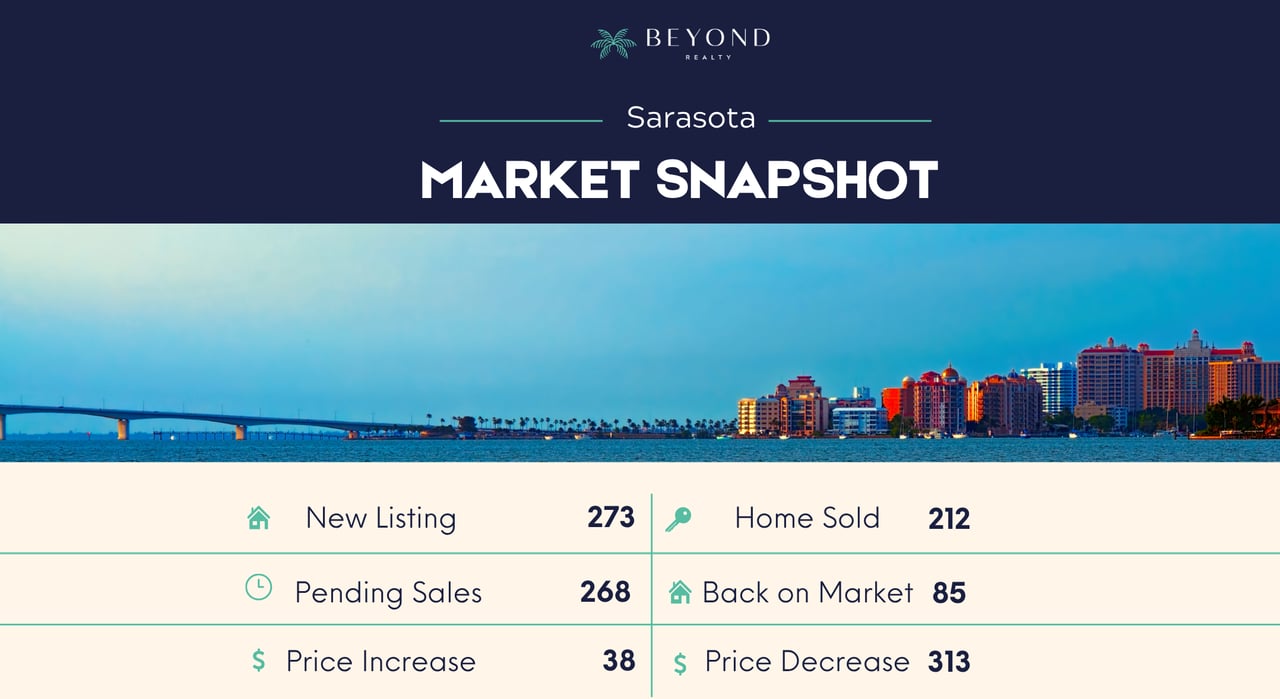

Ritz-Carlton, One Park, Bayso, The Edge, DeMarcay, The Collection, Epoch, Mira Mar and Saravela compared, with 2026 pricing, HOA costs and rental rules
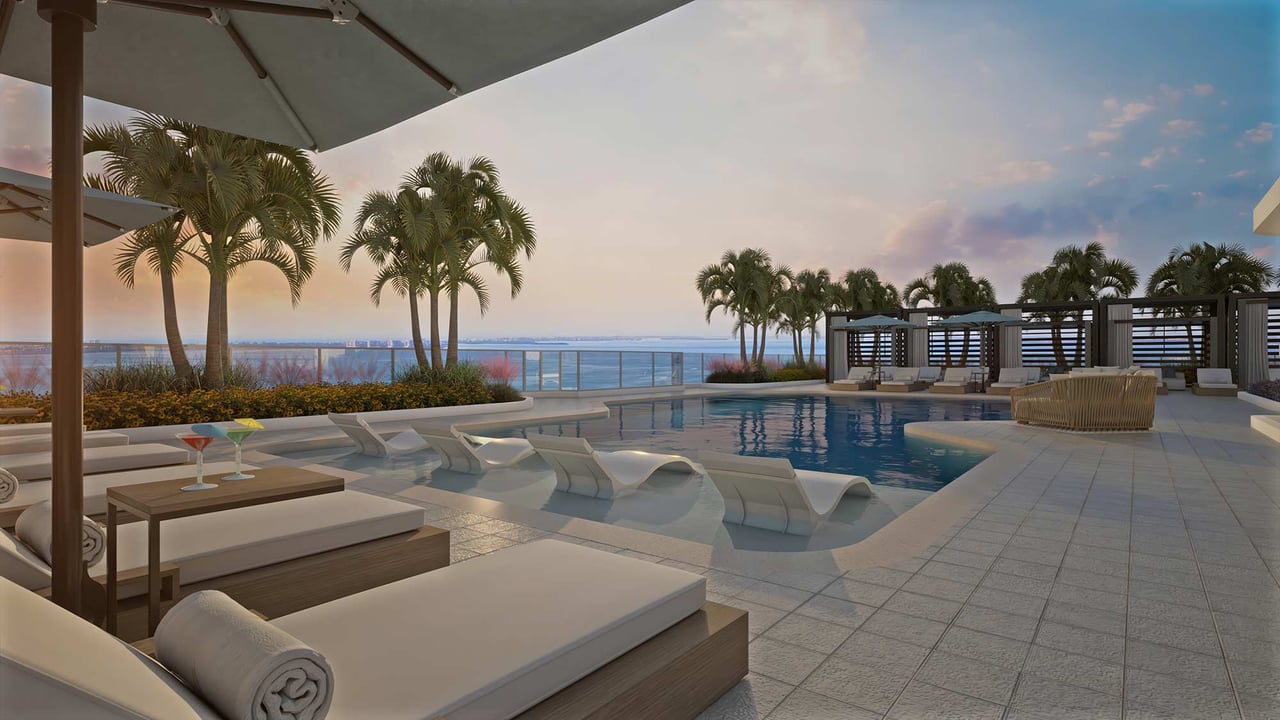
Who it is for, how the rental program works for owners, how it compares with other downtown towers, and the questions buyers ask
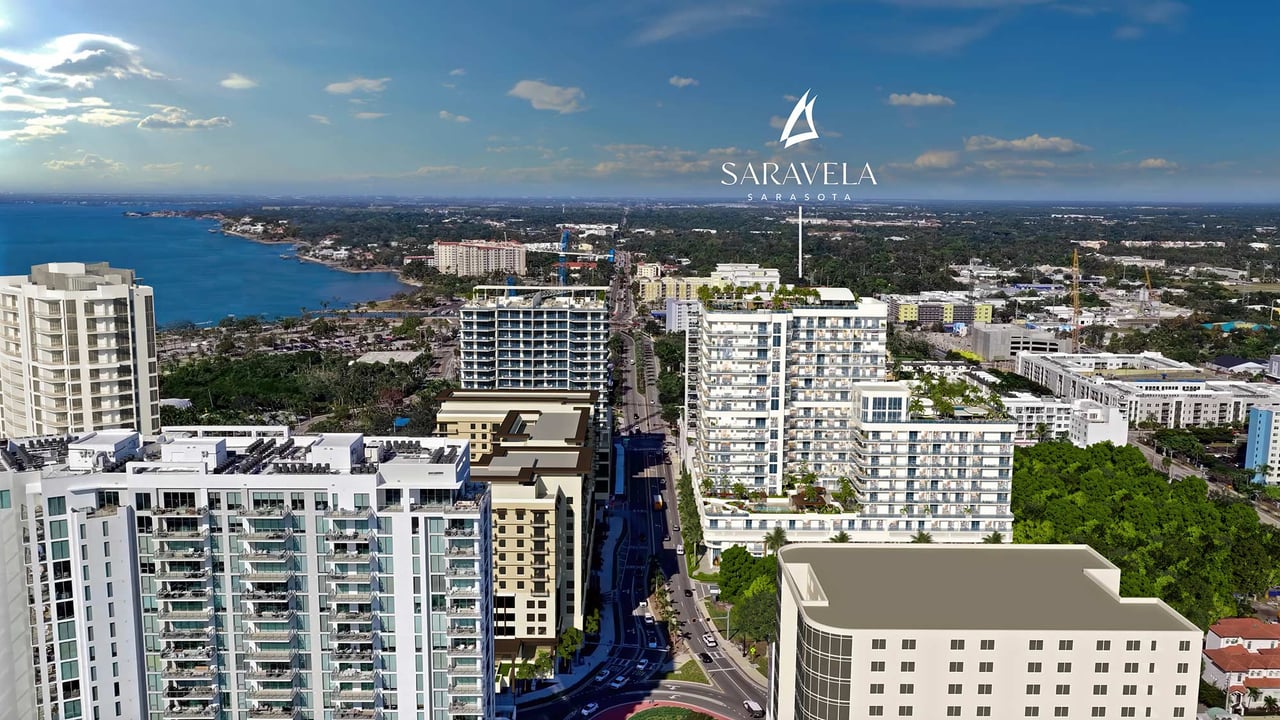
Deposits, the 15-day cancellation right, HOA fees, rental rules and why Saravela is the tower to watch
You’ve got questions and we can’t wait to answer them.