Siesta Key or Longboat Key: Which Island Fits How You Actually Live
Updated August 2026. By Darren Dowling, Broker-Owner, Beyond Realty LLC.
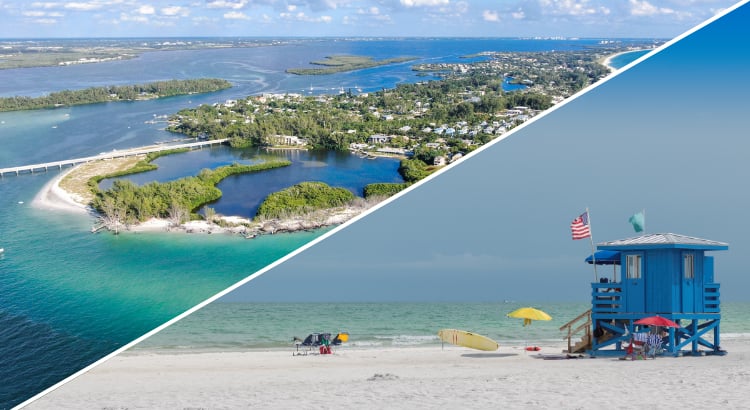
Siesta Key is livelier, more walkable in its village areas, and has stronger short-term rental demand. Longboat Key is quieter, more private, more club and golf oriented, and has a higher concentration of condominium ownership. The choice is a lifestyle question, not a quality question, and buyers who tour both usually know within a day. |
|---|
These two islands get compared constantly and described interchangeably as Sarasota barrier island living. They are not interchangeable. They attract different owners and they feel entirely different on an ordinary weekday.
Siesta Key is the more social of the two, with a walkable village, a well-known public beach, and consistent visitor traffic. Ownership skews toward buyers who want energy nearby and who value rental potential. In season, traffic on and off the island is a genuine daily consideration. |
|---|
The beach is the island's defining feature and it is also the reason for the traffic. A famous public beach means visitors, and visitors mean congestion during season on a limited number of access points.
For some owners that energy is the appeal. Walking to dinner, activity nearby, a village that is alive in the evening. For others it is the reason they buy on Longboat instead. Neither reaction is wrong and both are predictable if you visit in season rather than in July.
Longboat Key is quieter, longer, and more residential, with a higher concentration of gated communities, club membership, and condominium buildings. There is no comparable village center, which owners either value as privacy or miss as walkability. It runs between Sarasota and Manatee counties. |
|---|
The island's character is one of privacy and low density along an eleven mile stretch. Beach access tends to be private or community-associated rather than publicly crowded, which is a substantial part of the appeal for many owners.
The tradeoff is that daily life involves driving. Groceries, dining, and errands are generally a drive rather than a walk, and for buyers coming from a walkable northern city that adjustment is real.
Longboat Key has a higher share of condominium and club community ownership, including a substantial inventory of mid-century and later buildings. Siesta Key has more single-family and small multi-family, with stronger short-term rental demand. This shapes both what you can buy and what your carrying costs look like. |
|---|
The condominium concentration on Longboat matters for a practical reason. Florida's structural inspection and reserve funding requirements have significantly changed the economics of older condominium ownership, and a building's reserve position now directly affects both your monthly cost and your future buyer's financing options.
If you are considering a condominium on either island, read the building before you evaluate the unit. The reserve study, the milestone inspection status, and the last year of board minutes tell you more about your true cost than the listing does.
Siesta Key generally has stronger short-term rental demand, driven by its beach and visitor profile. But minimum lease restrictions vary substantially by zoning and by community on both islands, and those rules determine whether a rental strategy is possible at all. Confirm the specific property's restrictions before making an offer. |
|---|
This is the single most consequential thing to verify if income is part of your plan, and it is the thing buyers most often assume rather than check. Restrictions range from essentially unrestricted to minimum lease terms that make short-term rental impossible.
Two units in the same zip code can be under completely different rules. The rules follow the zoning and the association documents, not the island.
Both carry higher insurance exposure than mainland property, both involve elevation and flood considerations, and both have genuinely fixed supply. Barrier island land cannot be added to, which has historically supported values through market cycles more reliably than inland product. |
|---|
The insurance question deserves honesty. Wind and flood exposure on a barrier island is real and it is a meaningful ongoing cost that varies enormously by structure, elevation, roof age, and opening protection. Get an actual quote on any specific property before you make an offer, not an estimate.
The scarcity argument is the other side of that. Nobody is manufacturing more barrier island. That constraint is why these properties have historically held position even when carrying costs rose.
I am Darren Dowling, Co-Owner of Beyond Realty LLC in Sarasota. I represent buyers and sellers across Sarasota County, Manatee County, and the Gulf Coast barrier islands. Beyond Realty holds a RealTrends America's Best designation, placing us in the top 1.5 percent of agents nationwide.
If you are weighing the two islands, book a Strategy Session and we will structure a visit that answers the question in a day.
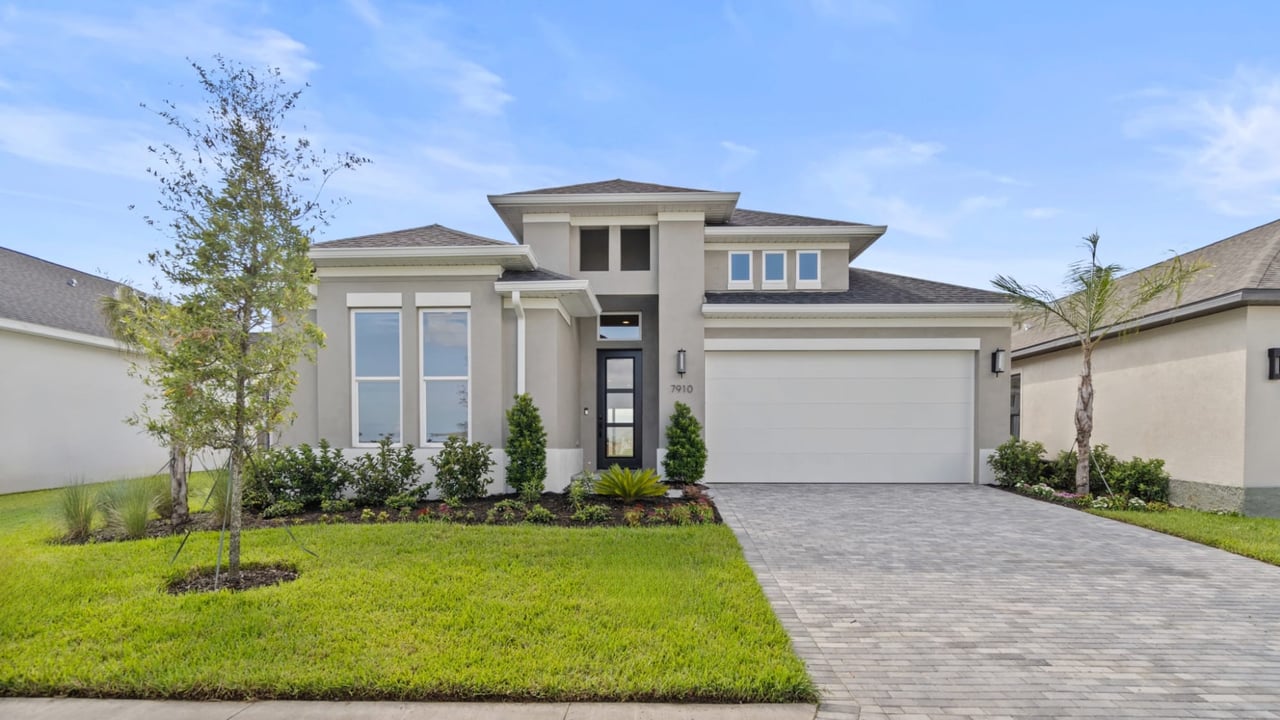
We toured every Perry model at Seaire in Parrish. Here is who Perry Homes is, what is included, current move-in ready pricing from $499,900, and how Perry compares wit… Read more
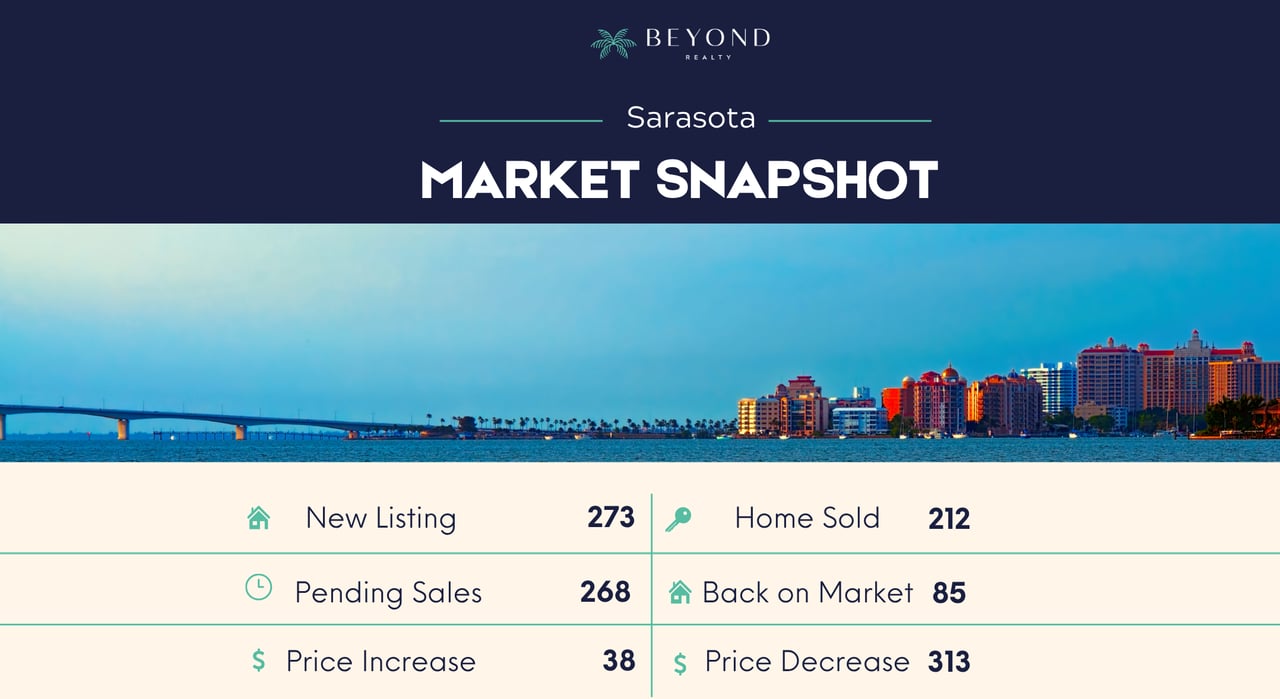

Ritz-Carlton, One Park, Bayso, The Edge, DeMarcay, The Collection, Epoch, Mira Mar and Saravela compared, with 2026 pricing, HOA costs and rental rules
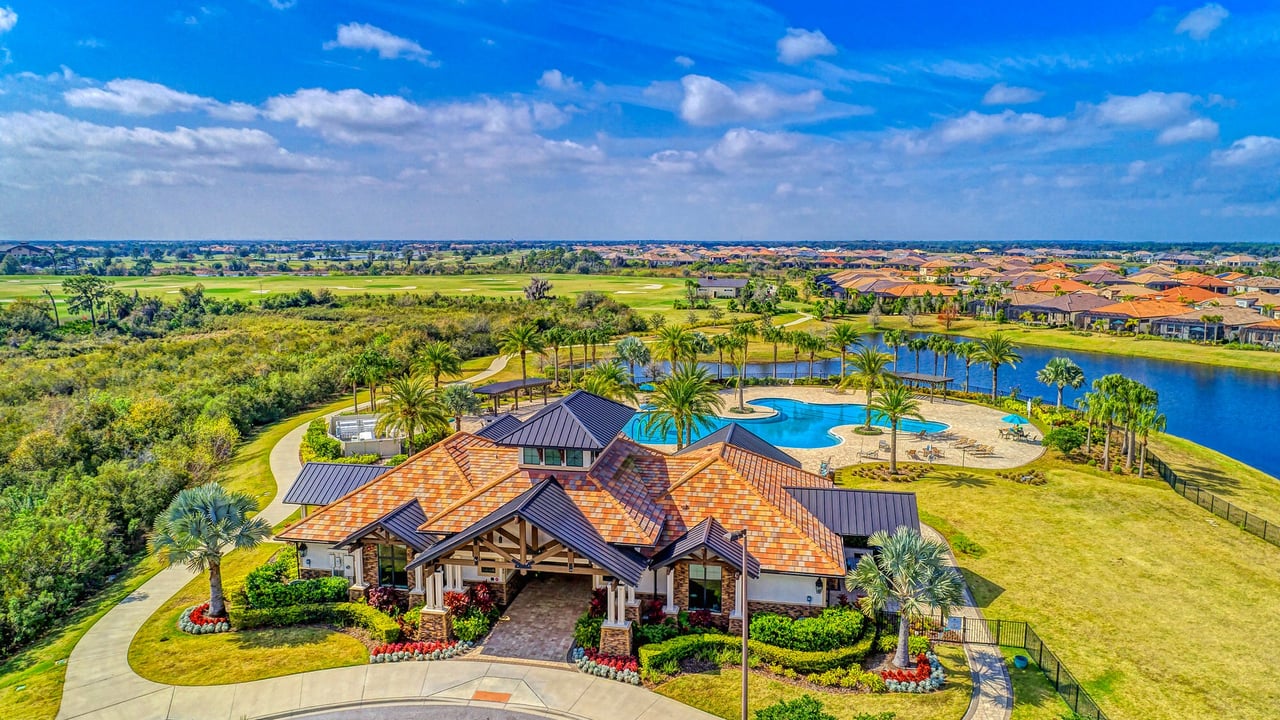

Who it is for, how the rental program works for owners, how it compares with other downtown towers, and the questions buyers ask
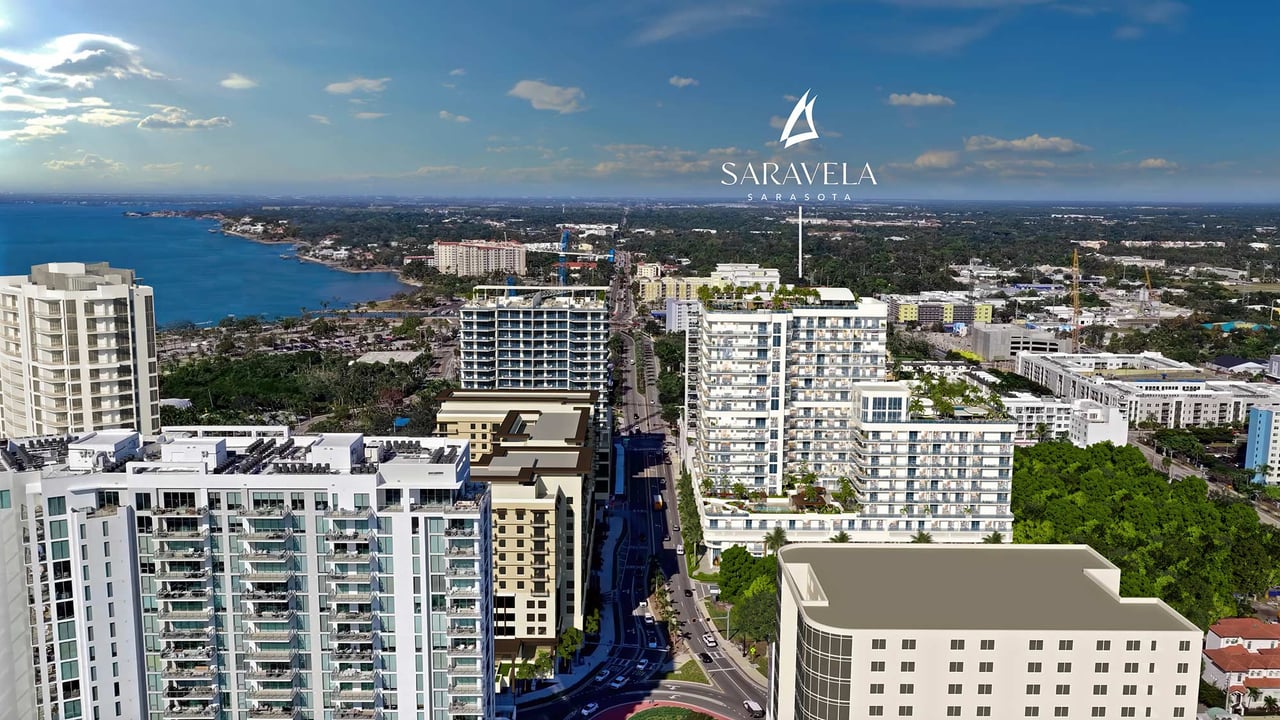
Deposits, the 15-day cancellation right, HOA fees, rental rules and why Saravela is the tower to watch
You’ve got questions and we can’t wait to answer them.